Flutter + Firebase Marketplace Architecture
A detailed architecture note on structuring a Flutter and Firebase marketplace: collections, Firestore data modeling, product catalogs, seller permissions, order states, image storage, and scaling decisions for a production mobile app.
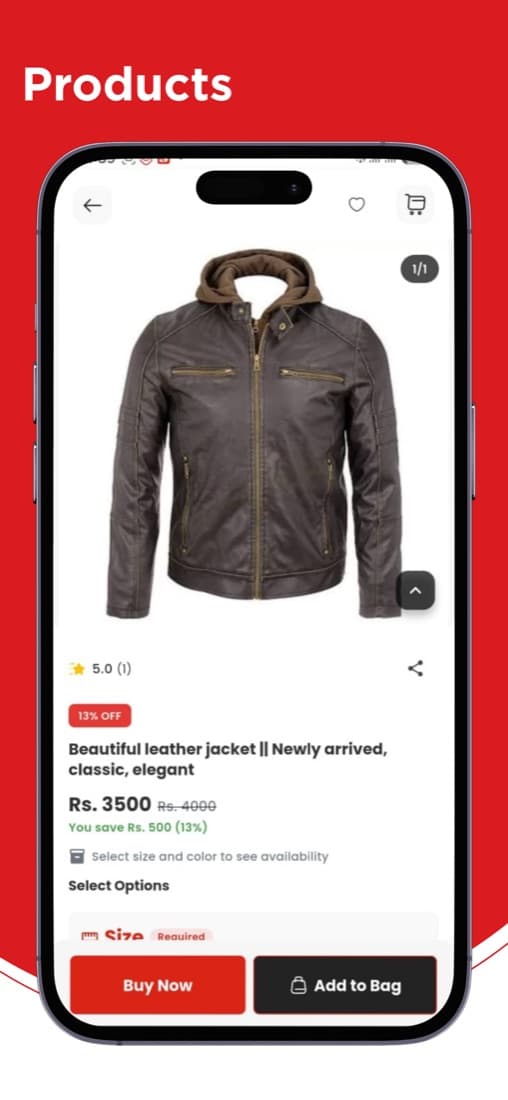
Architecture draft
Overview
A marketplace architecture needs to be understandable before it can be scalable. This article will explain how buyer, seller, admin, product, cart, order, and category data can be structured in Firebase without turning every feature into a tangled dependency. The focus is on practical architecture decisions from building Baakas.
Planned Structure
Part 1
Structuring users, sellers, products, categories, carts, and orders in Firestore
This section will turn the topic into practical, founder-level documentation with clear decisions, constraints, implementation notes, and lessons that can be reused in future products.
Part 2
Separating buyer, seller, and admin responsibilities without overcomplicating the codebase
This section will turn the topic into practical, founder-level documentation with clear decisions, constraints, implementation notes, and lessons that can be reused in future products.
Part 3
Handling product images, search, filters, and order status updates
This section will turn the topic into practical, founder-level documentation with clear decisions, constraints, implementation notes, and lessons that can be reused in future products.
Part 4
Security rules and data-access decisions that matter in marketplace apps
This section will turn the topic into practical, founder-level documentation with clear decisions, constraints, implementation notes, and lessons that can be reused in future products.
Publishing Goal
The goal for this article is to show how I think, build, make tradeoffs, and learn from real execution. It should help clients, collaborators, and hiring teams understand the quality of my product thinking, not just the tools I can use.